The Marketing Function in a Market-Oriented Firm

A functional marketing organization refers to the concentration of the responsibility for marketing activities such as knowledge and skills, within a group of specialists in the organization. The benefits of functional structures are well documented and include enhanced efficiency and ability to develop specific, characteristic capabilities The risks include the challenge of coordination between specific Read more about The Marketing Function in a Market-Oriented Firm[…]

Nature of Human Resource Management

The nature of the human resource management has been highlighted in its following features: Inherent Part of Management: Human resource management is inherent in the process of management. This function is performed by all the managers throughout the organization rather that by the personnel department only. If a manager is to get the best of Read more about Nature of Human Resource Management[…]

What is Entrepreneur?

Schumpeter defined an entrepreneur as a person who destroys the existing economic order to create and benefit from the new structure by introducing new products and services, or by creating new forms of organization, or by exploiting new raw materials. An entrepreneur is a person who bears certain risks in order to take advantage of Read more about What is Entrepreneur?[…]

Necessity for new Training Paradigm

In 21st century, employees need different skills from those in the 20th century. They need to be equipped with skills to succeed in a competitive, complex, knowledge-based, information-age and technology driven economy and context. The required skills should be widely researched and identified and constantly updated and refined to reflect the changing world of 21st Read more about Necessity for new Training Paradigm[…]

Types of Stock Market

There are two main types of stocks: common stock and preferred stock. Common Stock Common stock is, well, common. When people talk about stocks they are usually referring to this type. In fact, the majority of stock is issued is in this form. Common shares represent ownership in a company and a claim (dividends) on a portion of Read more about Types of Stock Market[…]

Project Management Principles

An official definition of project management is “the application of knowledge, skills, tools and techniques to project activities to meet project requirements.” A more tangible (but less interesting) description is that project management is everything you need to make a project happen on time and within budget to deliver the needed scope and quality. Project Read more about Project Management Principles[…]

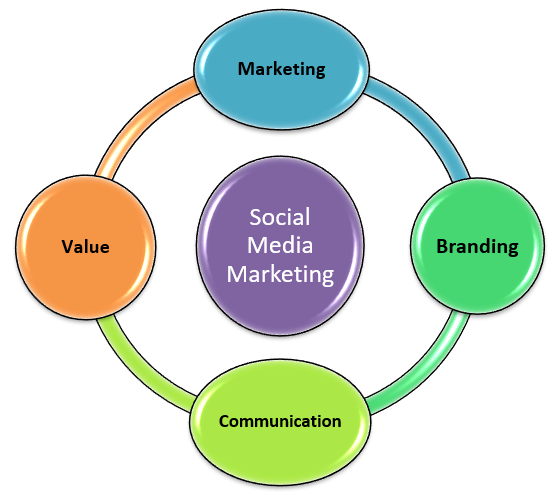
Four Ways That Social Media Marketing Impacts Business

With the continuing increase in social media usage and marketing on and through the platform, modern businesses are continually challenged to change their strategies. Social media marketing (SMM) affects almost all businesses in unreliable degrees despite of their nature, size and scope. Here are four thoughtful ways SMM is altering the business setting. Marketing Apart Read more about Four Ways That Social Media Marketing Impacts Business[…]

Role of Social Media in Marketing

The role of social media in marketing is to use it as a communication tool that makes the companies accessible to those interested in their product and makes them observable to those that don’t know their product. Social media is so expanded that it can be used in whatever way best suits the interest and Read more about Role of Social Media in Marketing[…]

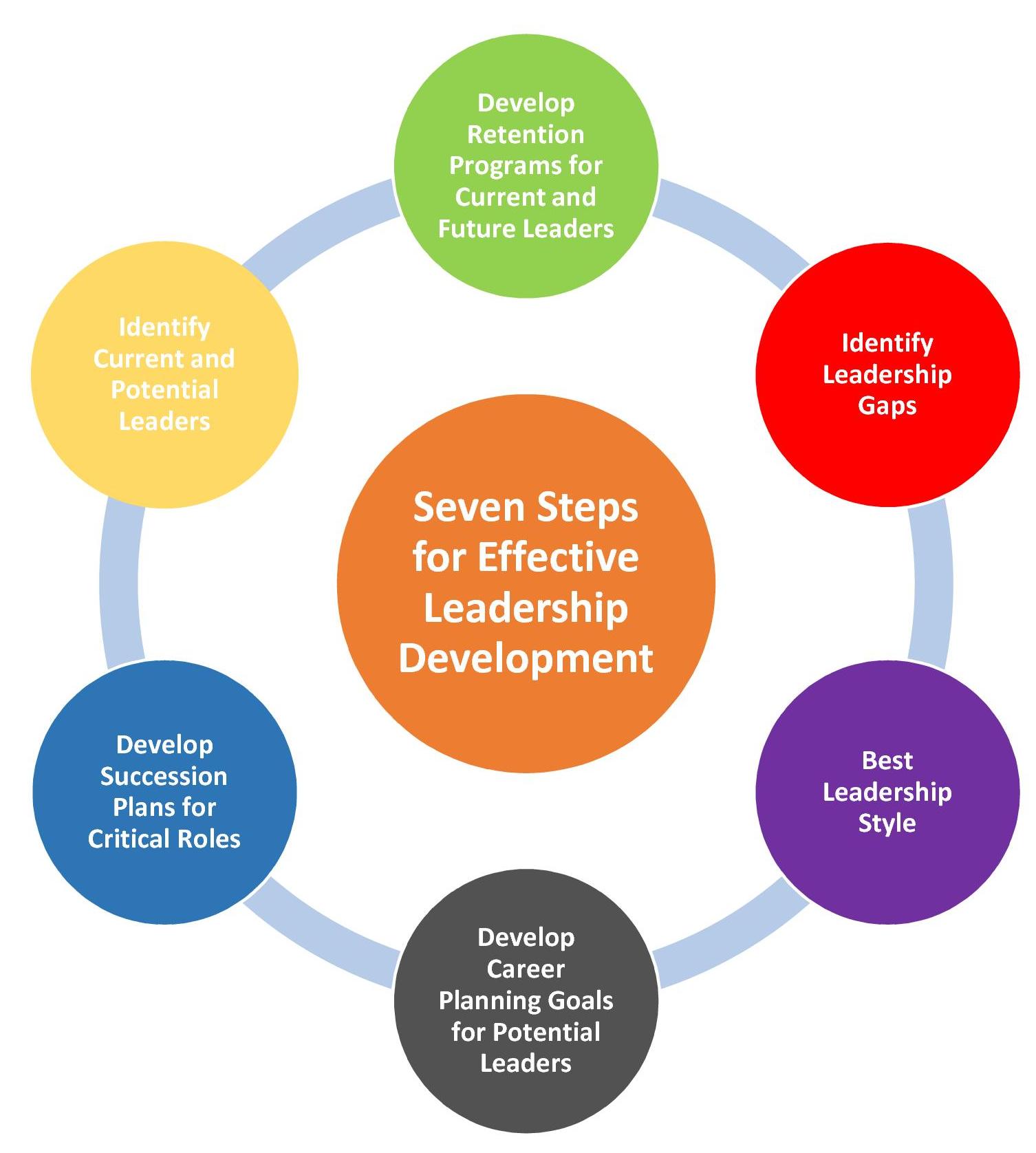
Seven Steps for Effective Leadership Development

The importance of business leadership is well expressed by this observation: A good leader can make a success of a weak business plan, but a poor leader can ruin even the best plan. That’s why developing effective leadership by using a reliable talent management program at all levels across the organization can return significant business Read more about Seven Steps for Effective Leadership Development[…]

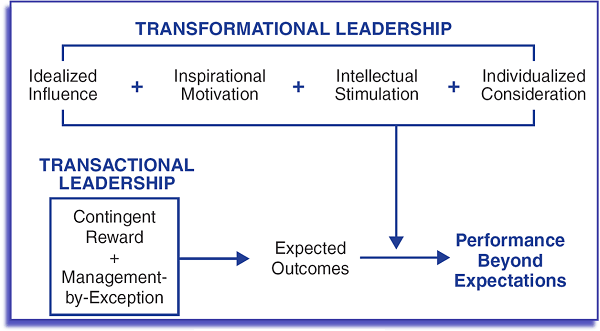
Transformational and Transactional Leadership Dimensions

Transformational Leadership contains four dimensions. The first dimension is idealized influence. Idealized influence is described as behaviour that results in follower admiration, respect, and trust. Idealized influence involves risk sharing on the part of leaders, a consideration of follower needs above personal needs, and ethical and moral conduct. The second dimension is inspirational motivation. This Read more about Transformational and Transactional Leadership Dimensions[…]