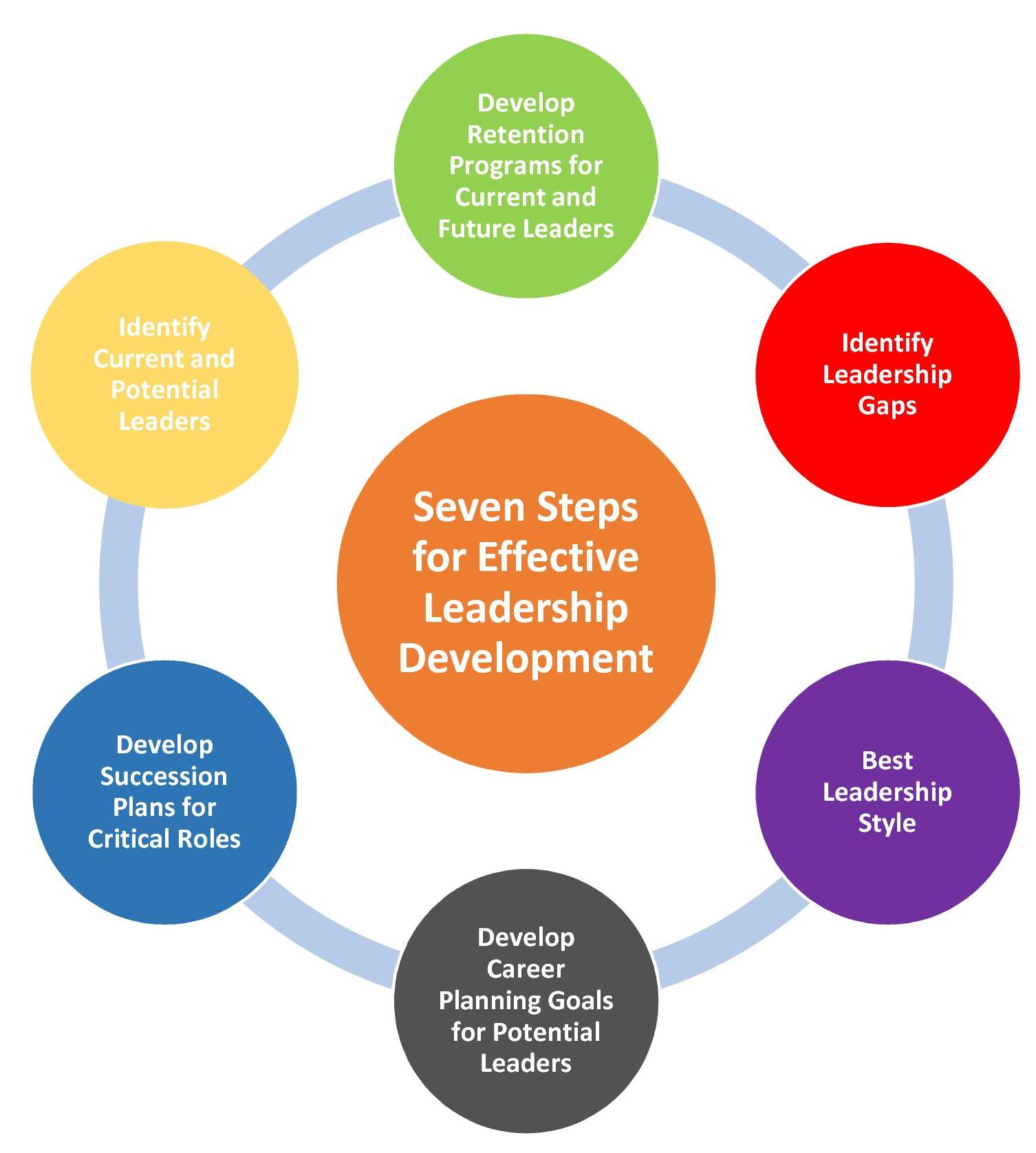
The importance of business leadership is well expressed by this observation: A good leader can make a success of a weak business plan, but a poor leader can ruin even the best plan. That’s why developing effective leadership by using a reliable talent management program at all levels across the organization can return significant business value. To identify, attract, fill, and retain corporate leadership talent, companies need leadership development programs focused on hiring strategies, employee development, and career and succession planning.
- Determine the Best Leadership Style for Your Organization
There are many techniques for determining the right leadership styles for an organization. Identifying the leadership style for an organization includes identification of the type of work, the complexity of the organization, and the qualifications of the followers. One of the main reasons for the high failure rate of new CEOs is poor organizational fit. Here are two ways to assess leaders’ fit.
- Get to know them better. Psychological and behavioural assessments that are typically offered via assessment centre exercises have been statistically linked to current and future success in leadership roles.
- Understand the culture better. Ask your board, employees, vendors, consultants, and others with connections to the organization for insight into what makes an effective leader in the company. Use both sets of information to find configurations.
- Identify Current and Potential Leaders Within the Company
To evaluate potential leaders in the organization, a leadership program needs to identify the expected leadership skills and competencies. Those are namely; Competence Models, Identifying Internal Leaders through Performance Management, Advantages of Developing Internal Leaders and identifying Leaders Through the Recruitment process.
- Identify Leadership Gaps
The identification of leadership gaps is an assessment of both the individuals and the readiness of the organization. To help fully recognize leadership gaps, companies should; 1) Determine current and future leadership requirements, 2) Compare those requirements with the current leadership team, 3) Identify current leaders who may be at risk of leaving 4) Identify succession plans for those at risk of leaving or planning to leave, 5) Look at the leadership development pipeline and 6) Identify gaps in skills and the time required to fill those gaps.
- Develop Succession Plans for Critical Roles
A good succession plan is good for productivity. Succession planning avoids disruption and employee distress when the CEO leaves, whether the departure is anticipated or not. Succession planning should be company policy, dealt with explicitly and purposely by corporate boards. Creating a succession plan for critical roles should not be confined to executive roles. As part of the leadership program, companies should evaluate critical leadership roles throughout the organization.
- Develop Career Planning Goals for Potential Leaders
Career planning used to be considered the responsibility of an individual. Combining employee development with career planning enables employees not only to explore potential career paths but also to monitor and progress through the development activities necessary to attain them. Competencies can then be attached to relevant development activities, in that way, incorporating development planning right into the performance review process, which supports career development and succession planning.
- Develop a Skills Roadmap for Future Leaders
Once the high-potential employees have been identified, a skills roadmap should be developed for the future leaders. Because people learn and develop new skills both inside and outside the classroom, a development program needs to support both traditional and non-traditional learning.
- Develop Retention Programs for Current and Future Leaders
Financial as well as nonfinancial rewards, can be used to improve the retention of any employee, but particular attention needs to be paid to high performers and future leaders. Concerning to performance can be a motivator for an employee, but goal position helps potential leaders stay focused on what is important to the company. Recognize excellent performance, and base the advantage of bonus potential on the success of both the employee and the company.